21-Day Ibogaine-Assisted Opioid Recovery Retreat
A Comprehensive Medical, Psychological, and Systems-Based Approach to Opioid Recovery
Recovery Begins Before You Arrive
Many people think ibogaine is the treatment.
We see it differently.
Recovery begins before arrival through careful medical evaluation, medication planning, psychological preparation, physician consultation, and individualized treatment planning.

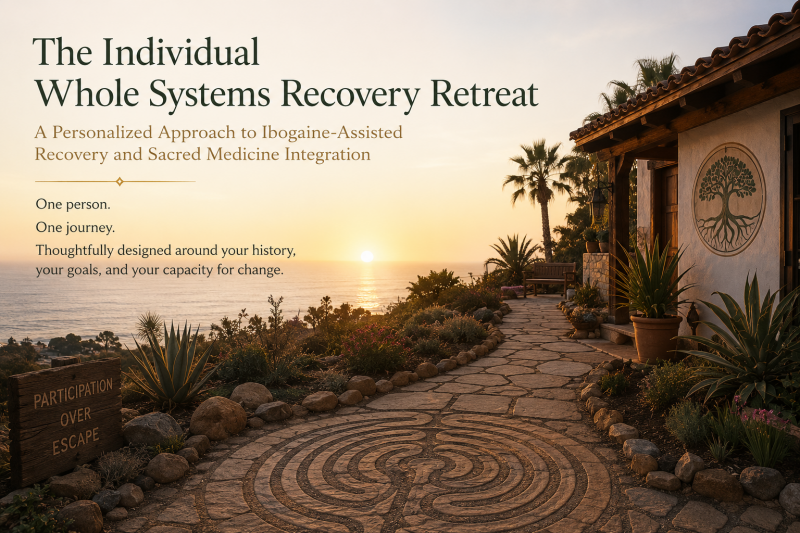
Recovery Begins With Understanding
Before any medicine is recommended, we begin by understanding the individual.
Every person arrives with a unique history, nervous system, medical profile, relationships, strengths, and hopes for the future. Rather than following predetermined protocols, every retreat begins with comprehensive assessment, physician review, psychological preparation, and collaborative planning.
Because our goal is never simply to administer medicine.
Our goal is to understand the person receiving it.
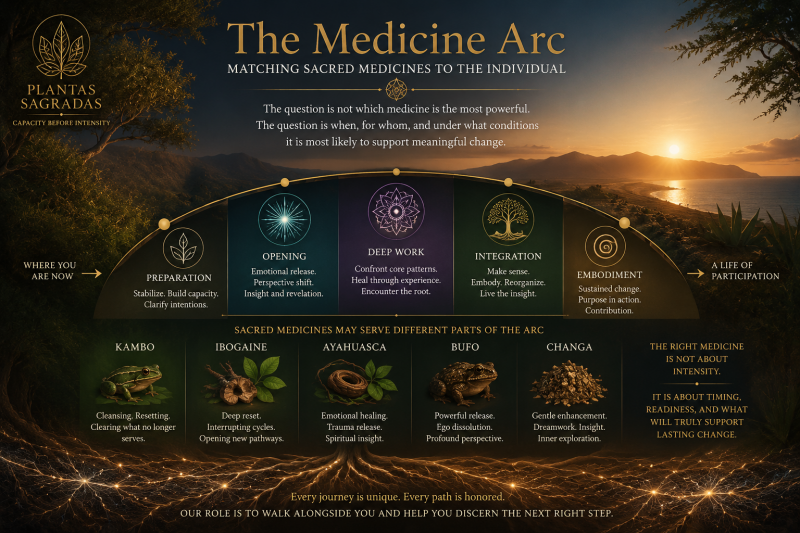
The medicines themselves are only one part of a much larger journey.
Each medicine serves a different purpose, and no single medicine is inherently "better" than another. Rather than asking which medicine is the most powerful, we ask a different question:
Which experience is most appropriate for this individual, at this point in their recovery?
Investment
21-Day Individual Whole Systems Recovery Retreat
$20,000 USD
A comprehensive, medically supervised recovery experience designed around your unique history, needs, and long-term recovery goals.
Your Retreat Includes
✦ Comprehensive medical screening and physician oversight
✦ Individualized ibogaine-assisted recovery
✦ Three ayahuasca ceremonies
✦ Individual psychotherapy throughout your stay
✦ Preparation and integration support
✦ Continuous medical monitoring during ibogaine treatment
✦ Daily therapeutic support
✦ Lodging for 21 nights
✦ Chef-prepared meals
✦ Transportation to and from San Diego
✦ Yoga, meditation, breathwork, and therapeutic massage
✦ Personalized discharge and continuity planning
We believe meaningful recovery begins long before the first medicine is administered. Every participant starts with a confidential consultation where we learn about your history, answer your questions, and determine whether our program is the right fit for your recovery. We look forward to speaking with you.
A Protocol Designed Around Recovery
At Plantas Sagradas, we view recovery as a process rather than a single intervention. While ibogaine and ayahuasca are both important components of our opioid recovery protocol, they are not used interchangeably. Each medicine is introduced at a different stage of the program, with a distinct therapeutic purpose.
Ibogaine is administered first under comprehensive medical supervision. For many individuals, it may significantly reduce the physical symptoms associated with opioid withdrawal and help interrupt the cycle of physical dependence, creating an opportunity to begin recovery from a place of greater physiological stability.
As participants regain strength and begin stabilizing physically, the focus gradually expands beyond the body. Opioid dependence is rarely sustained by physical dependence alone. Loss, trauma, grief, shame, chronic stress, and longstanding patterns of coping often continue long after withdrawal has resolved.
For this reason, our protocol incorporates three traditional ayahuasca ceremonies during the latter portion of the program. Once the immediate physical burden of opioid dependence has begun to subside, ayahuasca may provide an opportunity to explore the emotional, psychological, and existential dimensions of recovery within a supportive therapeutic environment.
Rather than viewing these medicines as separate treatments, we see them as complementary components of a carefully sequenced protocol. Ibogaine helps address the immediate physiological challenge of opioid discontinuation, while ayahuasca supports the deeper psychological work that may help individuals build a more meaningful and sustainable recovery.
What to Expect During Your Stay
Although every treatment plan is individualized, the opioid recovery protocol follows a carefully coordinated progression designed to support medical safety, physical stabilization, and psychological recovery.
Arrival & Medical Assessment
Upon arrival, you'll meet with our clinical and medical team to review your medical history, laboratory results, medications, and final treatment plan. This time also allows you to become familiar with the retreat environment, ask questions, and prepare for the days ahead.
Ibogaine Treatment
Your ibogaine experience takes place under physician supervision with continuous cardiac and vital sign monitoring. Our medical and support team remain present throughout the process to provide individualized care and ensure your safety.
Rest & Physical Recovery
The days following ibogaine are intentionally restorative. Sleep, hydration, nutrition, and gentle movement become the focus as your body begins recovering from opioid dependence and the medicine experience.
Ayahuasca Integration
As physical stabilization improves, the program transitions into three traditional ayahuasca ceremonies supported by daily preparation and integration. This phase allows participants to begin exploring the emotional and psychological dimensions of recovery within a structured therapeutic environment.
Preparing for Home
Before departure, you'll work with our team to develop a personalized recovery plan that includes aftercare recommendations, therapeutic support, lifestyle planning, and practical strategies for continuing recovery after leaving Plantas Sagradas.
Why Our Approach Is Different
Most ibogaine programs focus primarily on helping individuals through opioid withdrawal. While this is an important first step, we believe lasting recovery requires a broader approach.
Our protocol combines:
✦ Comprehensive medical screening before treatment
✦ Physician oversight throughout the program
✦ Continuous cardiac monitoring during ibogaine
✦ Psychological preparation and integration
✦ Three traditional ayahuasca ceremonies
✦ Individual therapy and recovery planning
✦ Comfortable accommodations, nutritious meals, and a supportive healing environment
By combining these elements into a single coordinated protocol, we aim to support not only opioid discontinuation but also the emotional and psychological work that often follows.
Choosing the Right Protocol
Every recovery journey begins from a different place. Whether the 10-day or 21-day protocol is most appropriate depends on your medical history, current opioid use, preparation before arrival, and overall recovery needs. To the side are answers to some of the questions we hear most often as individuals explore which program may be the best fit for their unique circumstances.
Your Journey Already Began
The decision to begin exploring this work is often the first meaningful step toward change.
Whether you are seeking healing, clarity, recovery, personal growth, or simply a deeper understanding of yourself, you do not have to determine the next step alone.
Our role is to listen, understand your story, and help thoughtfully design an experience that aligns with your goals, readiness, and unique path forward.
Every Individual Retreat at Plantas Sagradas begins not with a ceremony, but with a conversation.
Thoughtfully Curated. Individually Guided. Intentionally Integrated.
Plantas Sagradas provides educational, wellness, and retreat experiences in Mexico. The information contained on this website is provided for informational purposes only and is not intended to diagnose, treat, cure, or prevent any medical or mental health condition. Participation in retreat activities is subject to a screening process and individual eligibility requirements.